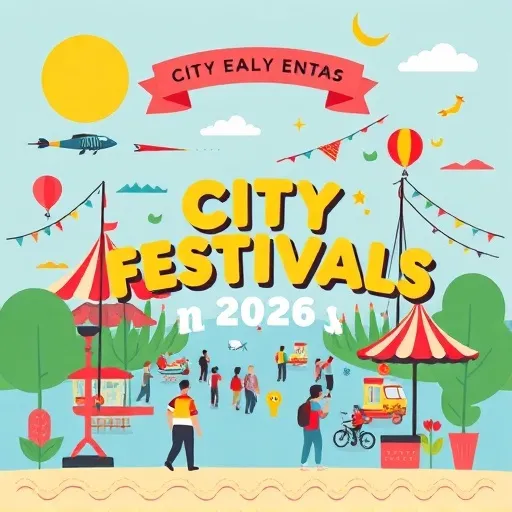
City festivals golde
Why City Festivals Are Booming in 2026
If your social feeds are suddenly packed with street parades, pop-up food markets, and cultural showcases, you're definitely not imagining things. City festivals have officially entered a new golden era—and honestly, it's about time. A bunch of forces are pushing this surge, and they're all feeding into each other. Let's break down what's actually driving it.
- Post-digital longing: After years of living through screens, people are craving real-world, in-person connection. Festival tourism has become a primary travel motivator—folks are literally planning trips around city festivals now.
- Hyperlocal pride: Neighborhoods are investing in their own community events, creating micro-festivals that rival big-ticket productions. The block party is back, and it's leveled up.
- Creative economy growth: Local artisans, performers, and food vendors are finding new audiences through street fairs and seasonal markets. City festivals have become launchpads for small creative businesses.
- Smart city innovation: Municipal planners are using urban festival design to activate public spaces and boost foot traffic in commercial districts. It's placemaking through celebration.
Industry insiders I've talked to say the shift is unmistakable. One seasoned event producer put it bluntly: "The appetite for live cultural experiences has never been stronger. Cities that invest in city festivals are seeing measurable returns in local engagement and visitor spending." That's not hype—it's showing up in budgets and attendance numbers across the board.
Cultural Heritage Celebrations and Hyperlocal Community Events Driving the Boom
Not all city festivals are created equal, and understanding the categories genuinely helps you plan better—whether you're an attendee, a vendor, or a marketer. Here's the landscape in 2026.
Cultural festivals celebrating traditional music, dance, crafts, and cuisine are seeing a massive resurgence. Many cities are doubling down on heritage celebrations as a way to preserve local identity in a globalized world. Expect more immersive storytelling elements, interactive exhibits, and multilingual programming at these city festivals. The coolest part? A lot of these community events are happening in neighborhoods that never used to get this kind of investment.
Street food festivals remain a crowd favorite, no surprise there. In 2026, we're seeing more curated culinary events—chef-led tastings, farm-to-festival partnerships, and zero-waste food markets. If you're in festival marketing, this category offers massive engagement potential because food content performs incredibly well across social platforms. City festivals built around food basically market themselves.
Music and performance city festivals are evolving too. From outdoor concerts to street performance showcases, music-driven events continue to dominate. What's new this year? Smaller, walkable urban music events spread across multiple venues in a district, rather than single-location mega-events. This "distributed festival" model is gaining serious traction among city planners—it spreads economic benefit across more blocks and keeps things feeling intimate.
Public art festivals, gallery walks, and street murals are turning city blocks into open-air museums. These city festivals attract creative professionals and design-conscious travelers. Many now feature augmented reality components, blending digital festival experiences with physical spaces. And let's not forget seasonal markets—spring fairs, summer night markets, autumn harvest celebrations, and winter holiday festivals remain the backbone of urban event calendars. The 2026 twist? More cities are extending these markets into multi-week cultural programming.
Building a Discovery Strategy and Prioritizing Your Festival Calendar
One of the biggest challenges with city festivals is that there are just so many of them. Without a strategy, you'll either miss the good ones or burn out trying to attend everything. Spend a weekend researching what's happening in your city. Check municipal event calendars, local community boards, and social media groups. Festival directories and city tourism websites are goldmines. Pro tip: set up alerts for specific keywords like "street festival," "cultural celebration," or "night market" so you never miss announcements about city festivals you'd love.
Then ask yourself what kind of experience you're after. Quiet and reflective? Go for heritage celebrations or gallery walks. High-energy and social? Music festivals and food markets deliver. Create a shortlist based on the mood you want, not just the hype. Popular city festivals now sell out months in advance, and accommodation near major event districts gets snapped up fast. That said, keep some weekends open for spontaneous neighborhood discoveries—some of the best community events are the ones you stumble upon.
Local Business Boost and Festival Tourism Fueling Urban Economic Growth
Beyond the fun factor, city festivals are serious economic engines. Restaurants, hotels, and retailers near festival zones report significant revenue spikes during events. Festival management, security, hospitality, and creative roles all expand around major events. Festival tourism brings visitors who stay multiple nights and explore beyond the event itself—they're eating at local restaurants, shopping at nearby stores, and discovering neighborhoods they'd never visit otherwise.
Shared experiences build social trust and neighborhood pride, and traditional arts and crafts find new audiences through festival programming. A senior urban planner shared an interesting perspective with me recently: "City festivals are no longer just entertainment. They're infrastructure for social connection. Cities that understand this are rethinking how they design public spaces entirely." That's a huge shift in how municipalities approach urban celebrations.
Accessibility Standards and Technology Integration Shaping Modern Festival Experiences
One of the most positive trends in urban celebrations this year is the push for accessibility. Expect to see sensory-friendly time slots at major city festivals, multilingual signage and programming guides, free or sliding-scale entry for community events, wheelchair-accessible routes and viewing areas, and gender-neutral facilities at larger festival venues. These aren't just nice-to-haves anymore. Attendees expect them, and festival organizers who prioritize inclusion consistently score higher in satisfaction surveys.
Tech is reshaping city festivals too. Real-time crowd density maps and festival apps help attendees navigate without bottlenecks—several cities are integrating this into their public transit systems during major events. Most festival vendors now accept digital payments exclusively, which speeds up service and provides organizers with valuable data. AI-driven recommendation tools suggest which stages, stalls, or performances to prioritize based on your interests—it's like a personal festival guide in your pocket. Some city festivals now offer live-streamed components or virtual access, extending reach and creating new revenue streams for festival organizers.
Sustainable Festival Productions and Green Practices Defining 2026 Celebrations
No look at city festivals in 2026 would be complete without addressing sustainability. Attendees and municipalities alike are demanding greener events. Leading city festivals are implementing reusable cup and plate systems with deposit returns, waste sorting stations with clear signage, public transit partnerships and bike valet services, local sourcing mandates for food vendors, and carbon offset programs for larger festival productions. Events that communicate their sustainability efforts clearly see stronger brand loyalty and better attendance from younger demographics. It's both the right thing to do and a smart positioning move for any festival organizer.
The trajectory for city festivals is clear. Expect more year-round programming, deeper integration with urban planning, and continued growth in festival tourism. Cities are recognizing that a vibrant festival culture is a competitive advantage—attracting talent, visitors, and investment. Whether you're a curious attendee, a budding festival organizer, or a marketer looking to tap into community energy, the opportunities around city festivals are enormous. Start exploring your city's calendar, engage with local communities, and don't wait for the "perfect" event—sometimes the best discoveries happen when you just show up to city festivals and let the streets surprise you.